
Borderline Personality Disorder Treatment in San Diego
Treatment for adults with BPD, built around DBT skills, with family brought in when you agree. Residential, PHP and IOP, with the same therapist as you step down.


DBT skills for the moments that feel out of control
Dialectical behavior therapy (DBT) was developed for borderline personality disorder. At Wings, DBT skills are taught in group, practiced the same day and used in real situations, so they hold up after treatment.
Mindfulness
Noticing a feeling as it starts, before it takes over.
Distress tolerance
Getting through a crisis moment without making it worse.
Emotion regulation
Fewer extreme swings, and coming back down faster.
Relationships
Asking for what you need and keeping people close.
What BPD can look like, from the inside and the outside
BPD is about how emotions, relationships and sense of self are felt and handled. It is often mistaken for depression or bipolar disorder, and it often comes with anxiety, trauma or drinking.
Emotions that hit hard
Intense anger, sadness or panic that comes on fast and can last hours.
Fear of being left
Strong reactions to a delay, a change of plans or any sign of rejection.
Stormy relationships
Close relationships that swing between very close and very hurt.
Acting on impulse
Spending, drinking, using or other risks in the heat of the moment.
Feeling empty
A sense of emptiness, or not knowing who you are from one week to the next.
Self-harm or suicidal thoughts
Hurting yourself to cope, or thoughts of not being here. If you are in danger now, call 911 or 988.
BPD and bipolar disorder, two conditions often confused
Both involve big mood changes, but they work differently and are treated differently. Some people have both. The clinical assessment at Wings looks at the whole picture.
How moods shift
BPD
Within hours, often set off by something in a relationship
Bipolar disorder
In episodes that last days or weeks
What leads treatment
BPD
Therapy, with DBT skills at the center
Bipolar disorder
Medication, with therapy alongside it
Where medication fits
BPD
For symptoms that come with it, like depression or anxiety
Bipolar disorder
Mood stabilizers and other medication, reviewed often
When someone you love has BPD
Loving someone with BPD can be exhausting and confusing. You can call admissions to understand the options, even before they are ready. They are an adult, so they agree to treatment and sign their own consent, and with it, family can learn the same skills.
What tends to help
- Name the feeling before you answer the words
- Stay calm and keep limits clear and steady
- Do not carry their safety alone. Call 988 or 911 in a crisis
- Get support for yourself as well
Talk to admissions
Family members can call too. Admissions answers calls 9 a.m.–5 p.m., seven days a week.
Call(760) 388-6369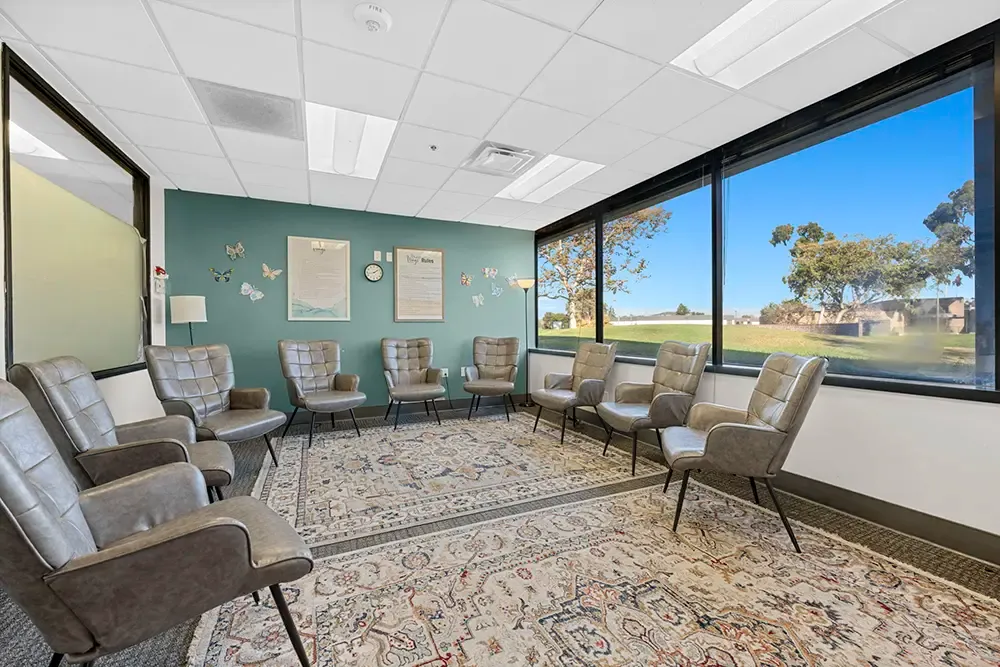
Skills, therapy and family, on one plan
DBT skills groups every treatment day
Skills taught in group, practiced the same day, and reviewed with your therapist.
A primary therapist and a trauma therapist
Many people with BPD have trauma behind it. Two clinicians work on both.
Weekly psychiatry
For the depression, anxiety or sleep problems that often come with BPD.
Family involved when you agree
Family can learn the same skills and how to respond in hard moments.
The same therapist at every level
Step down to PHP and IOP without starting over with someone new.
BPD care at Wings, and when another program comes first
If another program is a better place to start, admissions will say so and help with the next step.
Wings can help now
- BPD, diagnosed or suspected, getting in the way of work, home or relationships
- Self-harm or suicidal thoughts, when medically stable
- Stepping down after a psychiatric hospital stay
- Depression, anxiety, trauma or drinking alongside it
Start somewhere else first
Active psychosis
A hospital is the safer first step. Wings can be the next one.
A primary eating disorder
This needs a specialized eating disorder program.
Medical detox needed first
Admissions can help you find a detox program.
Under 18
Admissions can point you to adolescent care.
If you are in danger right now, call 911. For a mental health or suicide crisis, call or text 988.
Residential BPD treatment, then PHP and IOP
The clinical assessment decides where you start. Length of stay is set clinically, reviewed as you progress, and depends on what your plan authorizes.
 Full days of DBT
Residential
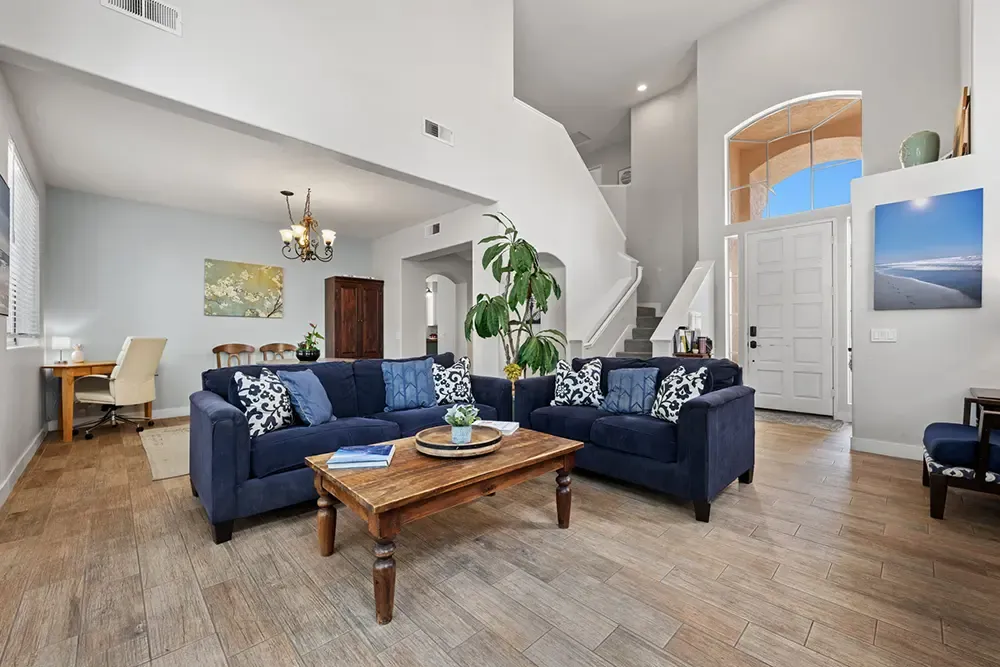
Therapy and skills groups every day, with support 24/7, living in a Wings home.
Learn more
 Days in treatment
Partial hospitalization (PHP)
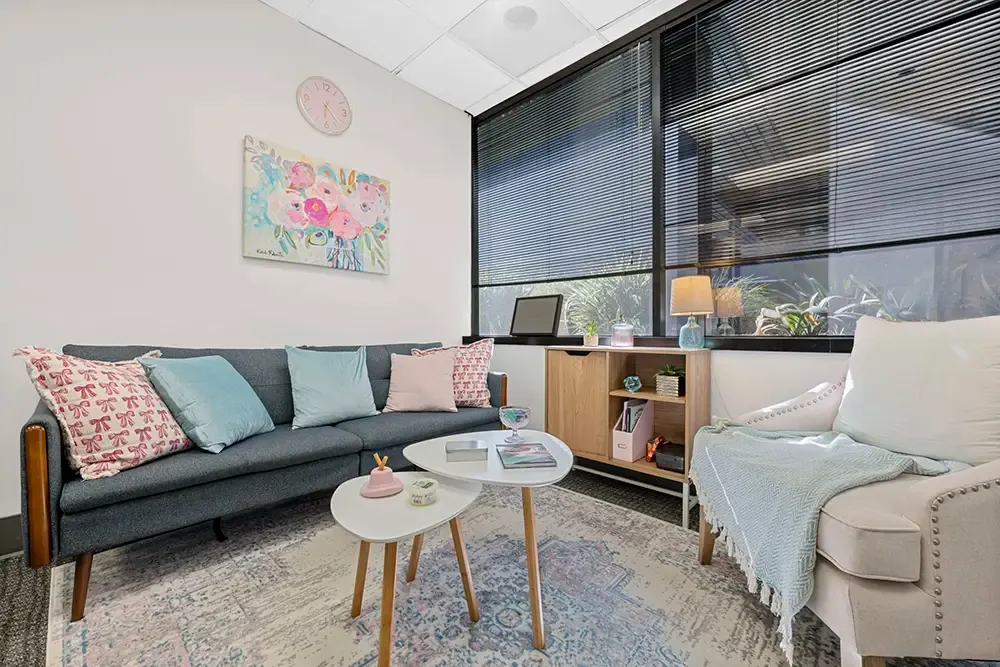
Treatment five days a week, living in supportive housing or at home.
Learn more
 Around work
Intensive outpatient (IOP)
Five days a week to start, morning or evening, using the skills in daily life.
Learn more
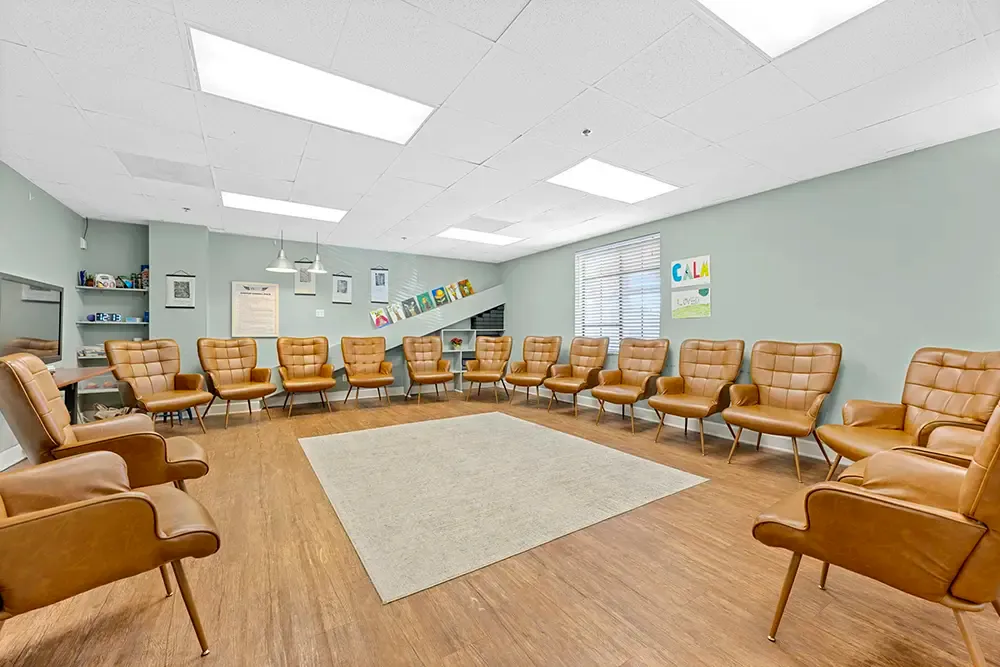
Inside the men's and women's offices
The men's and women's programs each have their own office, the same two locations shown on the maps below. Open a photo to see it larger.
Map and directions ↓Visit our offices in Carlsbad
Office hours: 9 a.m.–5 p.m., seven days a week
Wings Recovery on Google Maps ↗Areas we serve: Carlsbad · San Diego · North County San Diego · Los Angeles · Orange County
The map is provided by Google, which may set cookies, so it loads only once you allow Functional cookies.
Wings works with many PPO insurance plans
Admissions verifies your benefits before admission, free and confidential. For Medi-Cal or Medicare, admissions can point you to programs that accept them.















Questions about BPD treatment
DBT, BPD and bipolar disorder, self-harm, family and insurance.
Don't see your question?
Admissions answers calls 9 a.m.–5 p.m., seven days a week. Calls are confidential.
Call(760) 388-6369Visits, phones, what to bring and more in the admissions FAQ →All the ways to reach Wings →Does Wings treat borderline personality disorder?
Yes. Wings treats adults with BPD in residential, PHP and IOP, with DBT skills groups at the center of the plan. The clinical assessment decides where you start.
Is BPD treatable?
Yes. With skills-based therapy like DBT, many people have fewer crises, steadier relationships and better days. It takes practice, which is why structured, daily treatment helps.
What is the difference between BPD and bipolar disorder?
In BPD, moods usually shift within hours and are often set off by relationships. In bipolar disorder, moods change in episodes that last days or weeks. Some people have both, and the clinical assessment sorts it out.
Does Wings accept people who self-harm?
Yes, when they are medically stable. Self-harm and suicidal thoughts are assessed case by case. If you are in danger right now, call 911, or call or text 988.
My adult child has BPD and will not get help. What can I do?
They are an adult, so they decide on treatment and sign their own consent. You can still call admissions to understand the options and how to talk with them about it.
Can family take part in treatment?
Yes, with consent. Family can be part of the plan, learn the skills and plan for life after treatment.
Will insurance cover BPD treatment?
Wings works with many PPO plans, including Anthem Blue Cross, Blue Shield of California, Cigna, Aetna and UnitedHealthcare. Admissions verifies your benefits before admission at no cost. If you have Medi-Cal or Medicare, admissions can point you to programs that accept them.