
Bipolar Disorder Treatment in San Diego
Stabilization and psychiatric care for adults with bipolar disorder. Residential, PHP and IOP with a medication visit every week, daily therapy, and a plan to stay steady after you leave.
- A medication visit with psychiatry every week
- Often the next step after a psychiatric hospital stay
- Substance use treated at the same time
- Separate programs for men and women
- Works with many PPO plans, and verification is free
If this is a medical emergency, call 911. For a mental health or suicide crisis, call or text 988.


Stabilize the mood first, then the work that keeps it steady
Bipolar disorder is treated with medication and therapy together. At Wings, psychiatry, daily therapy and a steady routine work on the same plan, so the mood settles and you leave knowing how to keep it there.
1 · Steady the mood
Psychiatry every week
A medication visit with psychiatry every week, so changes are made, checked and adjusted while you are in care.
2 · Build the routine
Sleep, meals and structure
Regular days, regular sleep and support around the clock in residential, which matter as much as the medication.
3 · Keep it steady
A plan for after
Your own early warning signs, what to do when they show up, and a psychiatrist to continue with when you leave.
Bipolar highs, lows and the swings in between
Bipolar disorder is more than mood swings. Many people are treated for depression for years before the highs are recognized, and it often comes with anxiety or drinking.
Lows that last
Weeks of low mood, no energy and losing interest, like a depression that keeps coming back.
Highs that go too far
Little sleep without feeling tired, racing thoughts, big plans, spending or risks out of character.
Sleep that swings
Sleeping very little for days, then sleeping too much. Sleep changes are often the first sign.
Medication struggles
Side effects, stopping medication when things feel better, or a mix that has stopped working.
Drinking or using to cope
Alcohol or other drugs to come down, sleep or lift the mood, which makes the swings harder to manage.
Work and relationships
Missed work, a leave of absence, or family and partners worn down by the ups and downs.

Medication and therapy on the same plan
Weekly psychiatry
Medication reviewed every week, with time to see how a change works before the next step.
A primary therapist and a trauma therapist
Two clinicians on your team, working on what sits under the mood swings as well as the swings.
Skills for the highs and the lows
DBT, CBT and ACT skills groups, used every day, to spot early signs and respond before they grow.
Substance use treated at the same time
Drinking or drug use is part of the plan, not something to deal with later.
Separate programs for men and women
Each with its own office and groups, and the same therapist as you step down.
Bipolar care at Wings, and when a hospital comes first
Wings is not a hospital. Some people need a hospital stay to stabilize first, and Wings becomes the next step. The clinical assessment decides.
Wings can help now
- Bipolar disorder, stable enough to take part in therapy and groups
- Stepping down after a psychiatric hospital stay or a 5150 hold
- Medication that has stopped working, or was stopped
- Depression, anxiety or trauma alongside it
- Drinking or drug use alongside it, without needing medical detox
Start somewhere else first
Active psychosis, such as hallucinations or delusions
A hospital is the safer first step. Wings can be the next one.
A severe manic episode that needs hospital care
Stabilize first, then call admissions about stepping down.
Medical detox needed first
Admissions can help you find a detox program.
Under 18
Admissions can point you to adolescent care.
If you are in danger right now, call 911. For a mental health or suicide crisis, call or text 988.
When someone you love has bipolar disorder
If you are a parent, partner or sibling, you can call admissions to understand the options, even before they are ready. They are an adult, so they agree to treatment and sign their own consent, and with it, family can be part of the plan.
Residential bipolar treatment, then PHP and IOP
The clinical assessment decides where you start. Length of stay is set clinically, reviewed as you progress, and depends on what your plan authorizes.
 Most stabilize here
Residential
Full therapy days, weekly psychiatry and support 24/7, living in a Wings home.
Learn more
 Days in treatment
Partial hospitalization (PHP)
Treatment five days a week, living in supportive housing or at home.
Learn more
 Around work
Intensive outpatient (IOP)
Five days a week to start, morning or evening, to keep stability while you go back to daily life.
Learn more
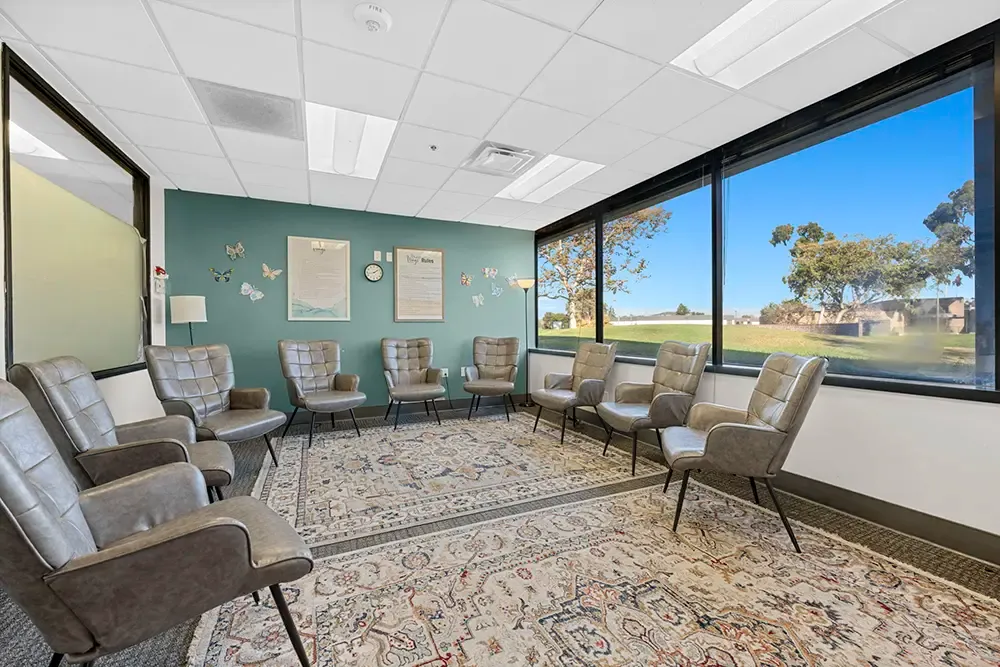
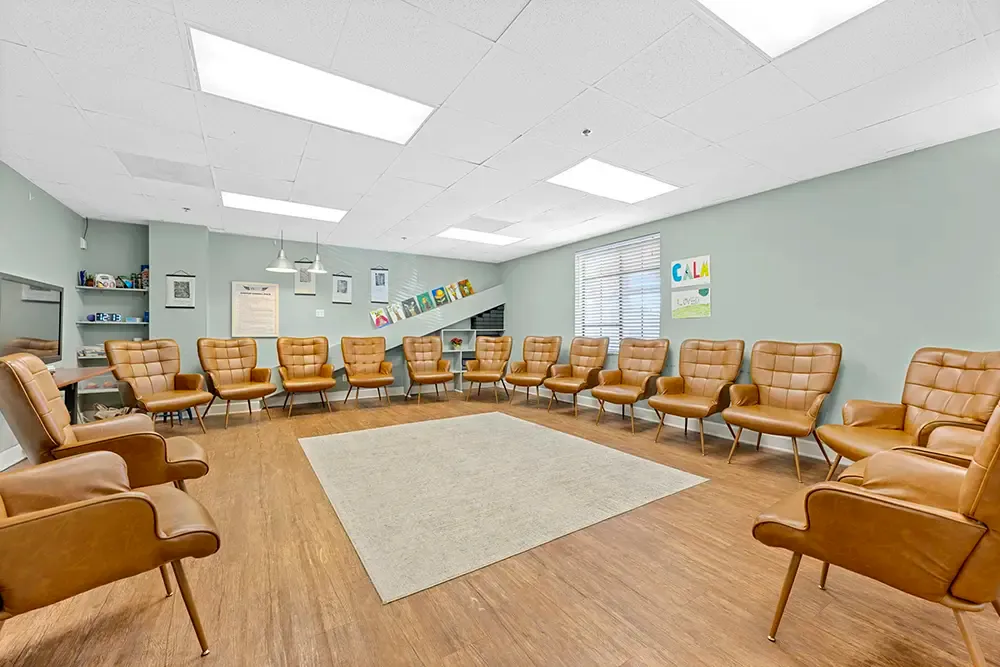
Inside the men's and women's offices
The men's and women's programs each have their own office, the same two locations shown on the maps below. Open a photo to see it larger.
Map and directions ↓Visit our offices in Carlsbad
Office hours: 9 a.m.–5 p.m., seven days a week
Wings Recovery on Google Maps ↗Areas we serve: Carlsbad · San Diego · North County San Diego · Los Angeles · Orange County
The map is provided by Google, which may set cookies, so it loads only once you allow Functional cookies.
Wings works with many PPO insurance plans
Admissions verifies your benefits before admission, free and confidential. For Medi-Cal or Medicare, admissions can point you to programs that accept them.















Questions about bipolar disorder treatment
Psychosis, hospital stays, medication, family and insurance.
Don't see your question?
Admissions answers calls 9 a.m.–5 p.m., seven days a week. Calls are confidential.
Call(760) 388-6369Visits, phones, what to bring and more in the admissions FAQ →All the ways to reach Wings →Does Wings treat bipolar disorder?
Yes. Wings treats adults with bipolar disorder in residential, PHP and IOP, with a medication visit with psychiatry every week and daily therapy. The clinical assessment decides where you start.
Does Wings accept people with psychosis?
Not during active psychosis, such as hallucinations or delusions. A hospital is the safer first step. Once someone is stable, Wings can be the next step, and admissions can work with the hospital team on timing.
Can I come to Wings right after a psychiatric hospital stay?
Yes. Wings is often the next step after an inpatient stay or a 5150 hold. We work with discharge planners on records and timing.
Will my medication change at Wings?
Psychiatry sees you every week, reviews what you take and decides with you whether anything should change. Bring your current medication list and recent records.
What if I drink or use drugs too?
Wings treats mental health and substance use together. If medical detox is needed first, admissions can help you find a program for that step.
My family member has bipolar disorder and will not get help. What can I do?
They are an adult, so they decide on treatment and sign their own consent. You can still call admissions to understand the options and how to talk with them about it.
Will insurance cover bipolar disorder treatment?
Wings works with many PPO plans, including Anthem Blue Cross, Blue Shield of California, Cigna, Aetna and UnitedHealthcare. Admissions verifies your benefits before admission at no cost. If you have Medi-Cal or Medicare, admissions can point you to programs that accept them.