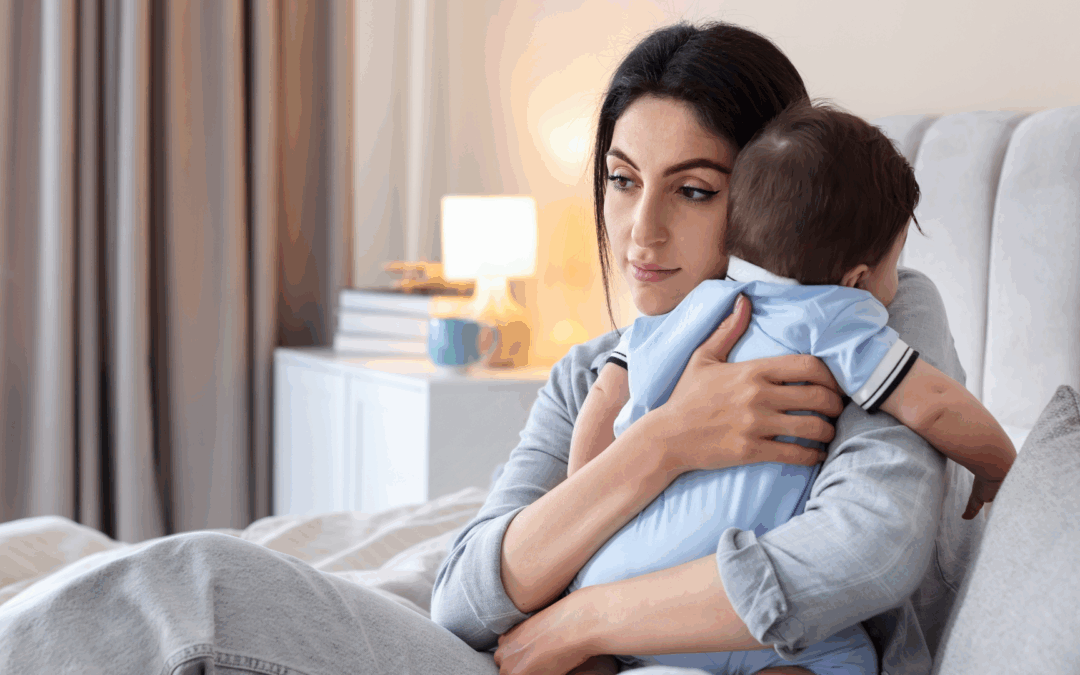
Bringing a baby into the world can be one of the most joyful experiences of a woman’s life. Yet for many new mothers, it can also be one of the most overwhelming. Between sleepless nights, hormonal changes, and the pressure to “do it all,” some women begin to experience symptoms that go far beyond typical new-parent exhaustion.
This is postpartum depression (PPD), a common and treatable mental health condition that affects mothers after childbirth. Understanding what it is, how it shows up, and where to find support can make all the difference in recovery and self-compassion.
What Is Postpartum Depression?
Postpartum depression is a form of clinical depression that can develop after giving birth. Unlike the “baby blues,” which typically resolve within a couple of weeks, postpartum depression lasts longer and has a deeper emotional impact. It can occur anytime within the first year after delivery.
PPD does not mean you are weak or failing as a mother. It is a medical condition influenced by biological, hormonal, emotional, and social factors. Many women experience significant hormonal shifts after giving birth, along with major life adjustments that can trigger or worsen depressive symptoms.
How Common Is Postpartum Depression?
You are not alone in feeling this way. According to the Centers for Disease Control and Prevention (CDC), about 1 in 8 women experience symptoms of postpartum depression. For some populations, the number may be even higher due to limited access to care or added stressors.
These numbers show that PPD is not rare. It is one of the most common complications following childbirth. Yet despite how common it is, many women struggle in silence because of stigma, fear of judgment, or misconceptions about what it means to be a “good mom.”
Signs and Symptoms of Postpartum Depression
Postpartum depression can look different for everyone, but common signs include:
- Persistent sadness, hopelessness, or emptiness
- Feeling disconnected from your baby or yourself
- Intense guilt, shame, or the belief that you are a “bad mother”
- Difficulty bonding or feeling love for your baby
- Changes in sleep or appetite (too much or too little)
- Fatigue or lack of motivation
- Irritability, anger, or anxiety
- Thoughts of self-harm or feeling that your family would be better off without you
If you notice several of these symptoms lasting more than two weeks, or if they are interfering with your ability to function or care for yourself, it is important to reach out for help.
Why Some Women Feel Shame or Isolation
Society often celebrates motherhood as a purely happy time, which can make it difficult for women to admit when they are struggling. Many mothers fear being seen as ungrateful or inadequate if they are not constantly joyful. This unrealistic expectation adds pressure and reinforces guilt, preventing women from seeking the support they need.
It is important to remember that postpartum depression is not your fault. It does not mean you are a bad mother. It means your body and mind are asking for care, compassion, and healing.
How to Get Support
- Talk to a Professional: Start with your healthcare provider, obstetrician, or a mental health specialist. They can assess your symptoms and help you explore treatment options such as therapy, medication, or support groups.
- Reach Out to Your Support Network: Let trusted family members or friends know what you are going through. You do not have to carry the responsibility of motherhood alone.
- Connect with Other Mothers: Joining a postpartum support group can help you feel less isolated and remind you that many other women understand exactly what you are experiencing.
- Prioritize Self-Care: Rest when you can, eat nourishing meals, and ask for help with daily tasks. Small steps toward self-care are acts of strength, not selfishness.
- Seek Immediate Help for Crisis Symptoms: If you are having thoughts of harming yourself or your baby, reach out right away. Call or text 988 in the United States to connect with the Suicide and Crisis Lifeline for immediate support.
Healing and Hope at Wings Recovery
At Wings Recovery, we understand that motherhood can bring both joy and profound emotional challenges. Our women’s trauma and mental health programs are designed to help women navigate postpartum depression with compassion and clinical expertise.
Through therapy, holistic care, and supportive community connections, we help women rediscover balance, self-trust, and emotional well-being.
If you or someone you love is struggling with postpartum depression, you do not have to face it alone
Learn more about our women’s treatment programs at https://wingsrecoverycenter.com/womens-programs/ and take the first step toward healing and hope.
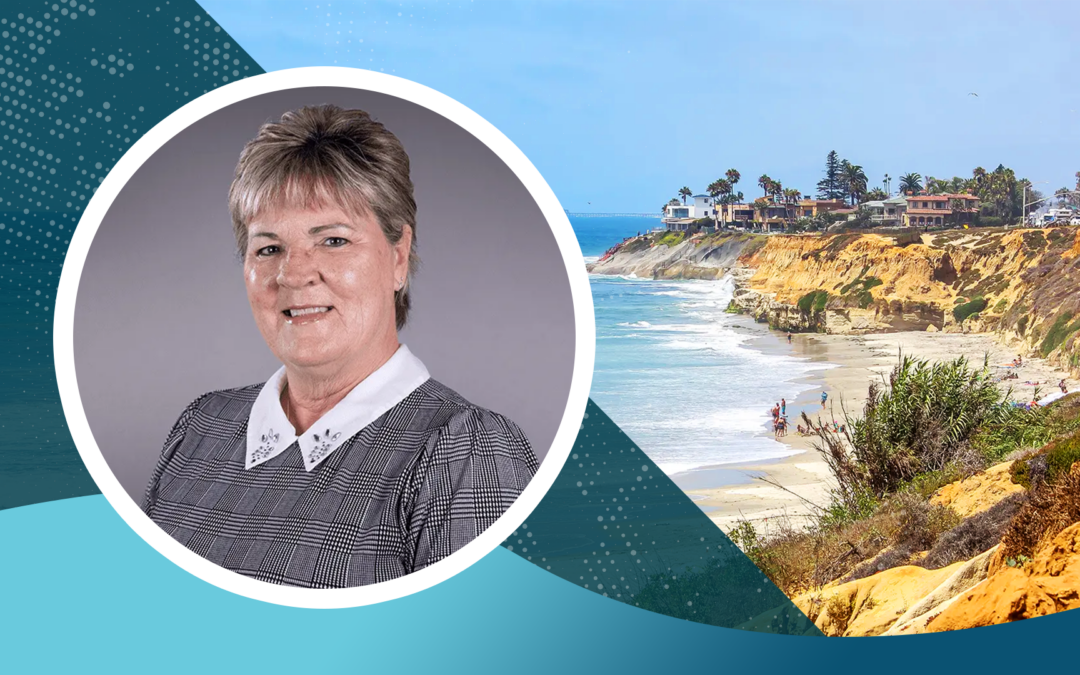
Behind every meaningful treatment experience is a team of people deeply committed to helping others heal, grow, and rediscover their sense of possibility. At Wings Recovery, our clinicians, mentors, and staff bring both professional expertise and personal passion to the work they do every day.
In our Meet Our Team series, we highlight the individuals who make our program so special. Through these conversations, you will learn more about their roles at Wings, what inspires their work in the mental health and recovery field, and the experiences that shape their approach to supporting clients and families.
In this edition, we are excited to introduce Sherry Hoeckendorf, Director of Housing Operations, who shares insights into her role, her perspective on the recovery journey, and what continues to motivate her in this field.
Q: Tell us about your role! What do you do at Wings Recovery and what do you love most about your job? What specialties or therapeutic approaches do you bring to your work?
A: I genuinely love the sense of gratification that comes from making positive changes at our locations. Even the smallest improvements can shape how people feel about where they are, and those details play an important role in day-to-day operations.
Q: What is your “why?” What motivated or inspired you to be in this field?
A: My “why” is client-driven. I understand what it feels like to be overwhelmed by emotion and anxiety, and that perspective guides my work. My goal is to create environments where clients feel safe, supported, and comfortable so they can fully engage in and benefit from the treatment we provide.
Q: In your opinion, what does Wings Recovery do better than others in this field? What makes them unique?
A: Our strength lies in compassion and flexibility. We meet clients where they are, financially and emotionally, without compromising care.
Q: What makes you excited to be a part of the Wings Recovery Team?
A: I am excited about the upcoming changes and the opportunity to implement them in ways that directly enhance the experience and care of our clients.
Q: What is your hope for the future of Wings Recovery?
A: I would love to see Wings grow into a flagship facility that delivers the same exceptional level of care our current locations provide, expanding our ability to serve more clients effectively.
Q: What do you wish more people knew about your profession?
A: I want people to understand how challenging it can be to balance compassion with boundaries. It’s not always easy to show clients that you genuinely care while also holding them accountable to our guidelines, which are essential for their success.
Q: Is there a personal philosophy or guiding principle that shapes the way you approach care?
A: One thing I emphasize with clients constantly is the importance of punctuality: being early is on time, being on time is late, and being late is unacceptable. This principle applies to everyone and serves as a fundamental building block for success.
Q: Do you have any professional publications, honors, awards or other highlights that we can feature? If so, please share details and any relevant links below.
A: I previously worked in a California school district, where I was recognized in CSEA Focus magazine in 2019 for my compassionate care of students. In addition, I served as Secretary/Treasurer of the Chapter 12 board.

Behind every meaningful treatment experience is a team of people deeply committed to helping others heal, grow, and rediscover their sense of possibility. At Wings Recovery, our clinicians, mentors, and staff bring both professional expertise and personal passion to the work they do every day.
In our Meet Our Team series, we highlight the individuals who make our program so special. Through these conversations, you will learn more about their roles at Wings, what inspires their work in the mental health and recovery field, and the experiences that shape their approach to supporting clients and families.
In this edition, we are excited to introduce Gulalai Suliman, MA, LMFT, Trauma Supervisor, who shares insights into her role, her perspective on the recovery journey, and what continues to motivate her in this field.
Q: Tell us about your role! What do you do at Wings Recovery and what do you love most about your job? What specialties or therapeutic approaches do you bring to your work?
A: I am a trauma, therapist and trauma supervisor at Wings Recovery. I work closely with clients who have complex trauma histories and co-occurring challenges. Supporting them as they build safety, regulation, and long-term recovery. What I love most about my job is witnessing real change overtime. Seeing clients gain inside, resilience, and confidence as they reconnect with themselves in their lives. I am especially drawn to complex and challenging cases, as I believe, meaningful healing often happens when we are willing to thoughtfully engage with deeper layers of trauma.
My clinical approach is trauma informed, and integrative, incorporating EMDR, DBT informed skills and strong focus on nervous system regulation, boundaries, and attachment based work.
Q: What is your “why?” What motivated or inspired you to be in this field?
A: I was drawn to this field, because I believe people are capable of profound healing when they feel truly seen, supported and safe. Trauma can deeply impact how individuals experience themselves in the world, and I feel honored to walk alongside clients as they begin to reclaim their sense of agency and self-worth. My ‘’why’’ is rooted in helping people move from survival mode into a life that feels more grounded, connected and meaningful
Q: In your opinion, what does Wings Recovery do better than others in this field? What makes them unique?
A: Wings recovery stands out for its genuine commitment to individualized, Trauma informed care. The team prioritizes collaboration, clinical integrity and compassion. both for clients and for one another. There is a strong emphasis on meeting clients where they are, rather than forcing a one-size-fits-all approach, which creates an environment where deeper and more sustainable healing can occur
Q: What makes you excited to be a part of the Wings Recovery Team?
A: I am excited to be a part of this team since 2018 because of the clinical work, collaboration, and continued growth. Wings Recovery fosters an environment where clinicians are supported in doing meaningful, high-quality work, especially with complex cases. Being surrounded by colleagues who care deeply about their clients and their craft makes their work both challenging and rewarding
Q: What is your hope for the future of Wings Recovery?
A: My hope is that Wings Recovery continues to grow while maintaining its strong foundation of trauma informed, client centered care. I would love to see the program expand its impact, continue supporting complex cases and remain a place where both clients and clinician feel empowered, supported and valued.
Q: What do you wish more people knew about your profession?
A: I wish more people understood that trauma therapy is not about ‘’fixing’’ someone. It’s about creating safety, building, trust, and helping individual reconnect with their own strengths. Healing is not linear, and progress often looks like small, meaningful shifts overtime. This work requires patience, compassion, and a deep respect for each client unique process.
Q: Is there a personal philosophy or guiding principle that shapes the way you approach care?
A: I approach care with the belief that safety and connection or the foundation of healing. I strive to meet clients with curiosity, compassion, and honesty while also encouraging accountability and growth. My goal is to help clients feel empowered, not dependent so they can move forward with greater self-awareness and resilience.
Q: Do you have any professional publications, honors, awards or other highlights that we can feature? If so, please share details and any relevant links below.
A: I am an EMDR certified therapist with a focus on complex trauma in clinical supervision.

For generations, men have been taught to stay strong, push through pain, and avoid showing emotion. These messages may seem harmless or even admirable, but they often come at a cost. Many men who struggle with anxiety, depression, trauma, or other mental health concerns feel they must suffer in silence rather than ask for help.
The truth is, emotional honesty and vulnerability are not signs of weakness. They are signs of courage and self-awareness. By challenging the myths that surround men’s mental health, we can help break stigma and make healing more accessible for everyone.
Here are some of the most common myths and facts about men’s mental health.
Myth: Men Should Be Strong Enough to Handle Problems on Their Own
Fact: Seeking help is a sign of strength, not weakness.
Cultural messages often teach men that independence and control are essential to masculinity. But everyone, regardless of gender, faces challenges that require support. Talking to a therapist, doctor, or trusted friend does not make a man less strong. In fact, acknowledging when you need help takes courage, insight, and maturity.
True strength lies in self-awareness and the willingness to face difficult emotions instead of avoiding them.
Myth: Mental Illness Is Rare in Men
Fact: Men experience mental health issues as frequently as women, but they are less likely to seek help.
Studies show that millions of men in the United States experience anxiety, depression, or substance use disorders each year, yet only a fraction receive professional treatment. Men may also express symptoms differently, which can make them harder to recognize. Instead of sadness, men might experience irritability, anger, or emotional numbness. Without proper understanding, these signs often go unnoticed by others and by the men themselves.
Myth: Real Men Don’t Talk About Their Feelings
Fact: Talking about emotions can prevent serious mental health crises.
Bottling up feelings does not make them disappear. It often leads to increased stress, burnout, and disconnection from loved ones. Emotional suppression can also contribute to higher rates of substance use and suicide among men.
Open conversations about mental health help men process their emotions and model vulnerability for others. When one man speaks honestly, it creates permission for others to do the same.
Myth: Men Who Struggle with Mental Health Are Weak
Fact: Mental health challenges are human experiences, not character flaws.
Depression, anxiety, and trauma can affect anyone. They are not reflections of failure or lack of willpower. Just as no one would call a person weak for seeking help with a broken leg or heart disease, mental health deserves the same compassion and respect.
Healing begins when men are allowed to be human, to feel sadness, fear, or pain without shame.
Myth: Therapy Isn’t for Men
Fact: Therapy helps men build resilience, insight, and emotional freedom.
Therapy is not about talking endlessly about problems. It is about finding practical ways to understand yourself, cope with stress, and strengthen relationships. Many men benefit from structured, goal-oriented approaches such as cognitive behavioral therapy (CBT) or trauma-focused care that emphasizes skill-building and problem-solving.
Therapy gives men tools to navigate life’s challenges with clarity and confidence. These tools improve both personal and professional well-being.
Myth: Men Should Focus on Physical Health, Not Mental Health
Fact: Mental and physical health are deeply connected.
Stress, anxiety, and depression can contribute to high blood pressure, heart disease, sleep issues, and chronic pain. When mental health suffers, the body often follows. Taking care of emotional well-being improves overall health, energy, and focus.
Prioritizing mental health is not separate from being healthy. It is an essential part of it.
Creating Space for Honest Conversations
Every time a man speaks openly about mental health, it chips away at generations of silence. When families, workplaces, and communities encourage openness, more men feel safe to reach out before their struggles reach a breaking point.
Listening without judgment, checking in with friends, and normalizing therapy can all help build a culture where men are supported, not shamed, for seeking help.
Healing and Support at Wings Recovery
At Wings Recovery, we believe healing begins with compassion, connection, and understanding. Our team is committed to supporting inclusive, gender-sensitive education and helping all individuals find safe and effective care.
If you or someone you love is struggling with mental health, you are not alone. Support is available, and healing is possible.
Visit https://wingsrecoverycenter.com/mens-programs/ to learn more about trauma-focused treatment and holistic approaches to mental wellness.
Bringing a baby into the world can be one of the most joyful experiences of a woman’s life. Yet for many new mothers, it can also be one of the most overwhelming. Between sleepless nights, hormonal changes, and the pressure to “do it all,” some women begin to experience symptoms that go far beyond typical new-parent exhaustion.
This is postpartum depression (PPD), a common and treatable mental health condition that affects mothers after childbirth. Understanding what it is, how it shows up, and where to find support can make all the difference in recovery and self-compassion.
What Is Postpartum Depression?
Postpartum depression is a form of clinical depression that can develop after giving birth. Unlike the “baby blues,” which typically resolve within a couple of weeks, postpartum depression lasts longer and has a deeper emotional impact. It can occur anytime within the first year after delivery.
PPD does not mean you are weak or failing as a mother. It is a medical condition influenced by biological, hormonal, emotional, and social factors. Many women experience significant hormonal shifts after giving birth, along with major life adjustments that can trigger or worsen depressive symptoms.
How Common Is Postpartum Depression?
You are not alone in feeling this way. According to the Centers for Disease Control and Prevention (CDC), about 1 in 8 women experience symptoms of postpartum depression. For some populations, the number may be even higher due to limited access to care or added stressors.
These numbers show that PPD is not rare. It is one of the most common complications following childbirth. Yet despite how common it is, many women struggle in silence because of stigma, fear of judgment, or misconceptions about what it means to be a “good mom.”
Signs and Symptoms of Postpartum Depression
Postpartum depression can look different for everyone, but common signs include:
- Persistent sadness, hopelessness, or emptiness
- Feeling disconnected from your baby or yourself
- Intense guilt, shame, or the belief that you are a “bad mother”
- Difficulty bonding or feeling love for your baby
- Changes in sleep or appetite (too much or too little)
- Fatigue or lack of motivation
- Irritability, anger, or anxiety
- Thoughts of self-harm or feeling that your family would be better off without you
If you notice several of these symptoms lasting more than two weeks, or if they are interfering with your ability to function or care for yourself, it is important to reach out for help.
Why Some Women Feel Shame or Isolation
Society often celebrates motherhood as a purely happy time, which can make it difficult for women to admit when they are struggling. Many mothers fear being seen as ungrateful or inadequate if they are not constantly joyful. This unrealistic expectation adds pressure and reinforces guilt, preventing women from seeking the support they need.
It is important to remember that postpartum depression is not your fault. It does not mean you are a bad mother. It means your body and mind are asking for care, compassion, and healing.
How to Get Support
- Talk to a Professional: Start with your healthcare provider, obstetrician, or a mental health specialist. They can assess your symptoms and help you explore treatment options such as therapy, medication, or support groups.
- Reach Out to Your Support Network: Let trusted family members or friends know what you are going through. You do not have to carry the responsibility of motherhood alone.
- Connect with Other Mothers: Joining a postpartum support group can help you feel less isolated and remind you that many other women understand exactly what you are experiencing.
- Prioritize Self-Care: Rest when you can, eat nourishing meals, and ask for help with daily tasks. Small steps toward self-care are acts of strength, not selfishness.
- Seek Immediate Help for Crisis Symptoms: If you are having thoughts of harming yourself or your baby, reach out right away. Call or text 988 in the United States to connect with the Suicide and Crisis Lifeline for immediate support.
Healing and Hope at Wings Recovery
At Wings Recovery, we understand that motherhood can bring both joy and profound emotional challenges. Our women’s trauma and mental health programs are designed to help women navigate postpartum depression with compassion and clinical expertise.
Through therapy, holistic care, and supportive community connections, we help women rediscover balance, self-trust, and emotional well-being.
If you or someone you love is struggling with postpartum depression, you do not have to face it alone
Learn more about our women’s treatment programs at https://wingsrecoverycenter.com/womens-programs/ and take the first step toward healing and hope.
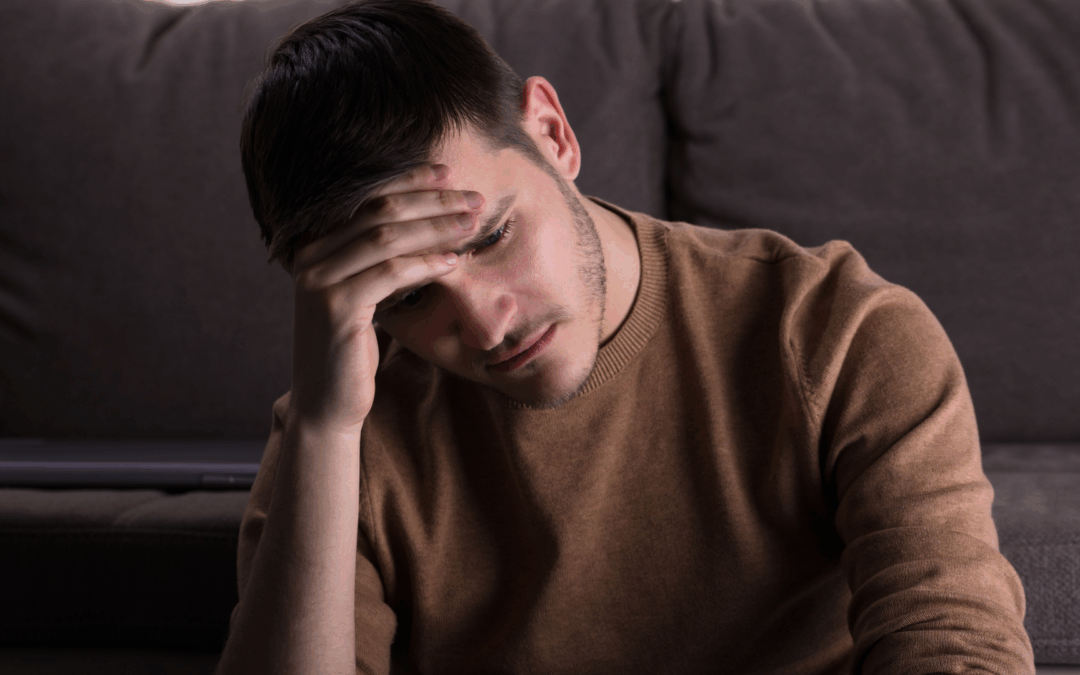
For many men, trauma is not something that is openly talked about. It is carried quietly, buried beneath the pressure to appear strong, capable, and always in control. From an early age, many men are taught to “shake it off,” “man up,” or “tough it out,” leaving little room to admit when something feels painful or overwhelming. On the surface, this can look like resilience, but inside, the weight of unhealed trauma often builds until it becomes too heavy to ignore.
The truth is, trauma does not disappear simply because it is not spoken about. It finds its way into daily life, straining relationships, showing up in sudden anger or withdrawal, interfering with work performance, and even impacting physical health. For some men, the signs of PTSD and other trauma-related disorders are clear, but for many others, the symptoms are subtle, hidden beneath a mask of strength or busyness. This silence can be isolating, leaving men to wonder why they are struggling when they are “supposed” to have everything under control.
At Wings Recovery, we recognize the courage it takes for men to confront these hidden struggles. Our men’s trauma treatment programs provide a safe and judgment-free environment where the focus is not on perfection or performance, but on uncovering the root causes of pain. With compassion, specialized care, and a supportive community, we help men step out of silence and into healing.
Why Men Struggle to Recognize Trauma
Trauma does not always stem from a single catastrophic event. It can emerge from years of relational wounds, neglect, loss, or exposure to violence. Yet many men struggle to identify these experiences as trauma. Society often teaches men to minimize their pain, suppress emotions, or cope through work and distractions.
As a result, men may live with the effects of trauma without realizing it is the foundation of their anxiety, depression, or anger. They might believe they are simply “bad at handling stress” or “not good in relationships,” when in reality, their nervous system is still responding to unprocessed trauma. Gender-specific mental health care helps men uncover what lies beneath these symptoms.
The Cost of “Staying Strong”
The “stay strong” mentality may feel like resilience, but over time it comes at a cost:
- Strained relationships caused by withdrawal, anger, or emotional distance
- Substance use as a way to numb or cope with overwhelming emotions
- Work burnout from overcompensating with constant achievement
- Physical health issues such as poor sleep, chronic pain, or high blood pressure
True strength does not mean staying silent. In our men’s residential program, PHP, and IOP, vulnerability is reframed as a powerful step toward long-term healing.
Common Signs of PTSD in Men
PTSD can look different in men than in women. Recognizing these signs is an important step toward recovery:
- Anger or irritability that feels uncontrollable
- Emotional numbness or difficulty forming connections
- Avoidance of reminders, places, or conversations tied to trauma
- Hypervigilance, or always being on guard and quick to react
- Nightmares or flashbacks that interfere with rest and daily functioning
- Increased reliance on substances to manage overwhelming feelings
These symptoms are not character flaws. They are signals that trauma remains unresolved and that professional support is needed.
How Treatment Breaks the Silence
At Wings Recovery, we understand that silence can feel safe, but it keeps men stuck in cycles of pain. Our men’s trauma treatment programs are designed to break that silence with respect and understanding.
Through individual therapy, gender-specific men’s groups, and holistic care, clients learn to:
- Understand and regulate trauma responses in daily life
- Process painful memories in safe, structured ways
- Express emotions without fear or shame
- Rebuild relationships with healthier boundaries and trust
Whether through our residential program for men or our step-down PHP and IOP options, we provide continuity of care that supports sustainable recovery.
You Are Not Alone
At Wings Recovery, we create safe spaces for men to face trauma without judgment. Healing begins when silence is replaced with understanding and connection. If you or someone you love is struggling with the silent weight of PTSD, our team is here to help.
Learn more about our men’s programs today: https://wingsrecoverycenter.com/mens-programs/